

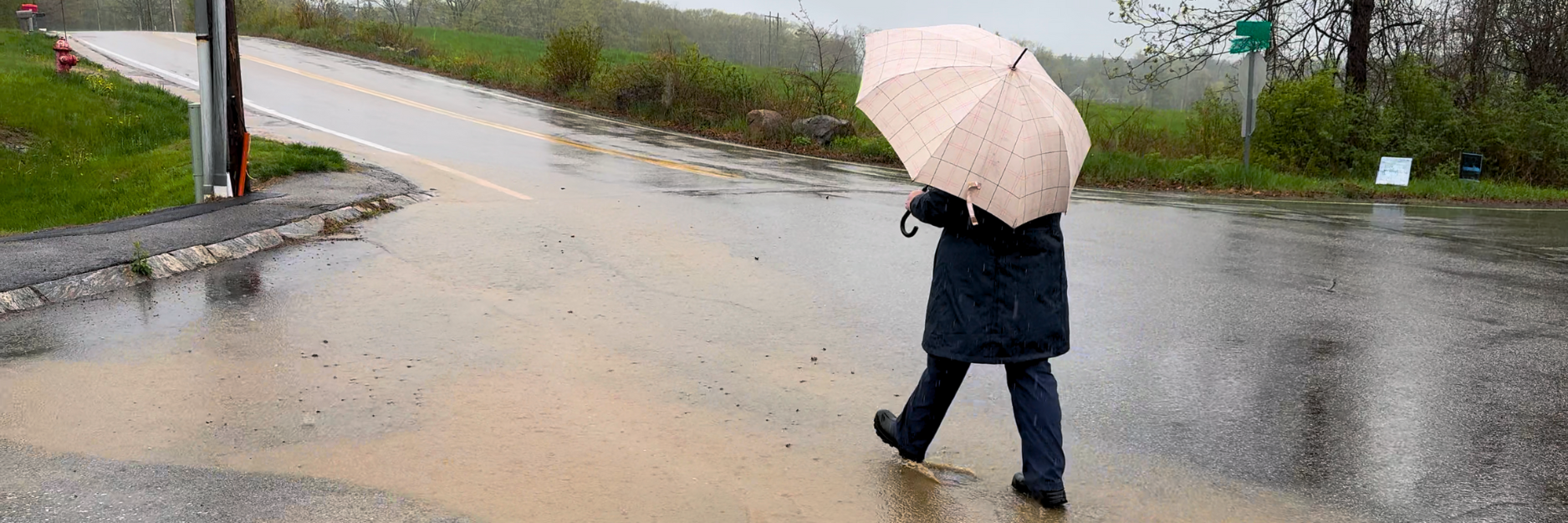
After several years in the making, PREP has launched our brand-new Stormwater Toolkit—a free, online communications resource created with Roca Communications and Tangram 3DS to help communities in Maine and New Hampshire (and beyond) talk about stormwater in clear, engaging ways.
The toolkit includes 80+ ready-to-use communications assets—from social media posts and short videos to customizable text, graphics, and images—all designed to make stormwater education simple and effective. This toolkit helps residents understand what stormwater is, how it impacts our waters, and what we can do about it—while also celebrating the important work our cities and towns are already doing.
Here’s what you’ll find inside:
-
Download options that fit your needs: Get the platform-agnostic cornerstone materials (messaging, video, and stock photos) with one click, or browse three themed stormwater sections and add individual social media posts to your download cart.
-
Best Practices Guides: Not sure when or how often to post? Each social media download comes with a simple guide to help you decide what to use, when to use it, and how to adapt messages for your community.
-
Locally rooted visuals: The toolkit features images and video from across our watershed (from the lakes, to the estuary, to the coast) and people, so communities can share content that feels personal and relevant. These local connections help residents see how stormwater impacts their home and why small actions matter.
-
Flexibility in branding: Use PREP-branded materials to lean on a trusted source, or download unbranded versions to present the content as your own.
-
Accessibility built-in: Alt text is included for all images and videos, and captions are provided for video audio.
By sharing these resources, you can show how small actions add up to cleaner water, reduced flooding, and healthier communities.

What is a Communications Toolkit and Why Use One?
Creating strong outreach materials takes time: brainstorming messages, writing copy, designing visuals, taking photos and tailoring it all for different platforms. Many communities don’t have the capacity to do that work from scratch, even though they want to connect with residents about important issues like stormwater.
A communications toolkit helps fill that gap. It’s a ready-made set of messages, graphics, and templates that you can adapt and share. Instead of starting with a blank page, you have content at your fingertips—saving time and reaching your audience more effectively.


Why did we Make the toolkit
This toolkit is about turning up the simmer on not just stormwater education, but on an issue that impacts our entire watershed. We built this toolkit not only to meet a critical need for stormwater content, but also because communities told us they wanted support in reaching broader audiences online.
While many people are familiar with stormwater problems (like localized flooding), fewer are aware of what stormwater really is. Even if they see specific messages about picking up pet waste or reduce fertilizer use, many haven’t yet made the connection between how those best practices impact the waters they love.
We hope more people will understand why stormwater is personal and choose smarter decisions to support our collective home.
Stormwater is water that’s already hit the ground—rain and snowmelt flowing over roads, parking lots, rooftops, and lawns. As it moves, it picks up pollution, causes flooding and erosion, and puts strain on our infrastructure, basements, and the rivers, lakes, and bays we love. Whether you live along the coast or up near the lakes of the Piscataqua Watershed, stormwater is something that impacts us all.

Book Toolkit Support
Need a hand getting started? The toolkit was designed to be flexible and user-friendly. That said, a quick walk-through can still go a long way, especially if you’re looping in additional staff or volunteers who will help you put it to use.
If you'd like help downloading the materials or talking through what might work best for your community, reach out to PREP's Amy Sauber to book a 1:1 support session via Calendly. This tool makes it easier and faster for us to find a mutually convenient time. You don't need a Calendly account to use it and you can invite colleagues when you book.
We expect to release additional dates each month. However, if we receive a strong demand for office hours, we may pause them to host a webinar.
Amy's direct contact: amy.sauber@unh.edu